

Continuous Monitoring Vs Periodic Audits
Continuous monitoring Vs Periodic Audits Is the Annual Audit Dead? From Audit Day to Everyday Assurance A periodic audit remains a valuable test of governance, legal alignment and the overall health of an EHS management system. It brings structure, independence and time for deeper challenge. Its limitation is timing. A plant can change a production line, onboard a contractor, accumulate overdue actions or introduce a new shift pattern months before the next formal review. Irish…

Integrating EHS into Enterprise Risk Management
Integrating EHS into Enterprise Risk Management From Safety Data to Business Intelligence Safety Risk Is Enterprise Risk In many organisations, EHS and enterprise risk management still operate on different clocks. Site teams review hazards, incidents, training and corrective actions. Corporate risk teams discuss strategic, financial, operational and reputational exposure. Both groups may be looking at the same underlying threat, but the information reaches leadership through separate systems, terminology and reporting cycles. That separation is increasingly…

Safe Load Securing 2026: Preventing Road Incidents
Safe Load Securing 2026: Preventing Road Incidents The Hidden Threat on Irish Roads Whether it’s a curtain-side trailer travelling down the M50, a flatbed delivering heavy machinery to a construction site in Cork, or a commercial van transporting tools between client jobs, securing cargo safely is a critical operational safety issue. Across Ireland, research demonstrates that approximately 23% of all road collisions are work-related. Joint enforcement operations by the Health and Safety Authority (HSA), the…

The Convergence of Digital Cyber Threats and Physical Harm
Auditor Pillar: The Convergence of Digital Cyber Threats and Physical Harm For decades, EHS management and IT cybersecurity operated in completely separate silos. IT protected databases, firewalls, and company email accounts; EHS managed machine guards, personal protective equipment, chemical safety, and floor-level physical hazards. That boundary has officially dissolved. As Irish facilities across pharmaceutical manufacturing, automated logistics, and heavy industry become hyper-connected, operational technology (OT) and digital safety systems are fully integrated with enterprise networks.…

Inclusive Leadership: The Secret Ingredient to a Mature Safety Culture
Inclusive Leadership: The Secret Ingredient to a Mature Safety Culture Why empathy and transparent communication are the most critical skills for the 2026 safety leader. The New Directive in Safety Excellence As we navigate the operational demands of 2026, the definition of an effective safety leader has undergone a profound shift. For decades, the industry relied heavily on command-and-control figures—leaders who enforced rules through top-down mandates, strict policing, and disciplinary measures. However, as jobsites become…
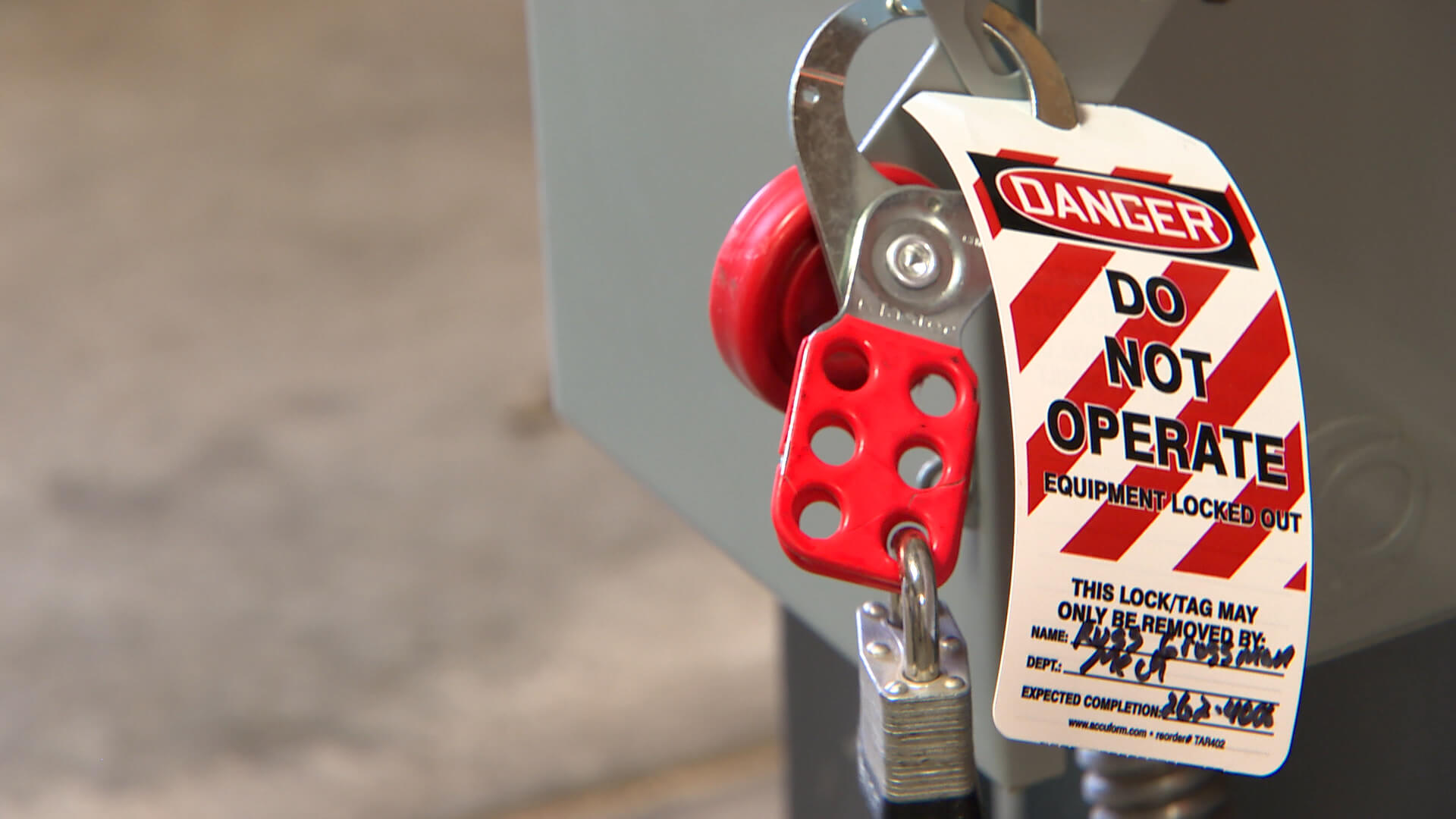
Beyond LOTO: Real-Time Energy Control
Beyond LOTO: Real-Time Energy Control Beyond the Padlock and Tag For decades, the golden rule of hazardous energy control has been simple: Lockout, Tagout, Tryout (LOTOTO). We trained our maintenance teams, technicians, and operators to apply physical padlocks, attach warning tags, and test machine controls before starting any servicing or repair work. In 2026, that physical padlock remains your vital, final line of defence. However, as factory floors across Ireland embrace complex automation, variable-frequency drives,…
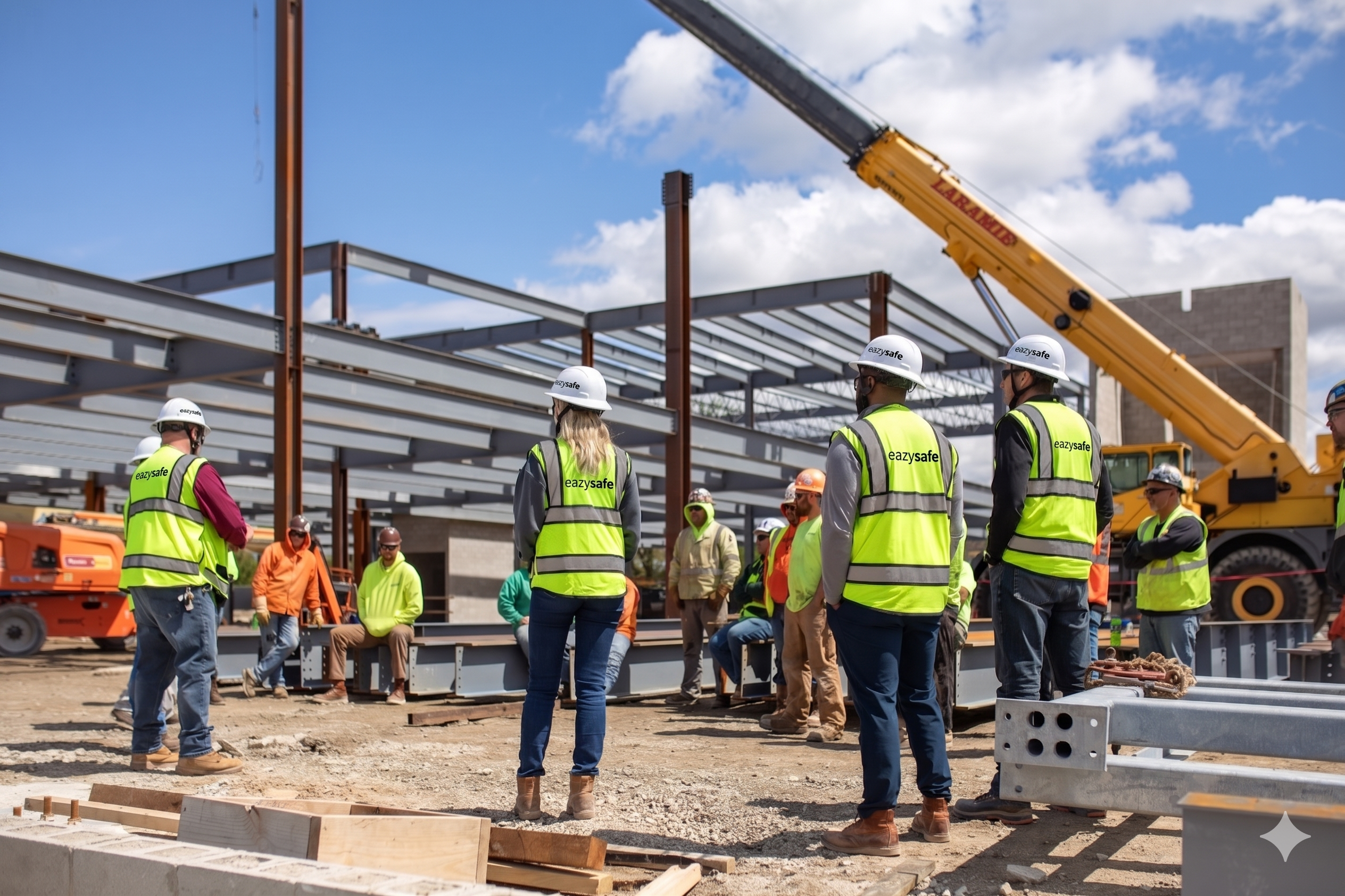
Lessons from Construction Safety Week 2026: Maintaining the Momentum on High-Energy Safety
Construction Safety Week 2026: Recognise, Respond, and Respect From Awareness to daily operation Last month (May 4–8), the global construction sector united under a single, urgent banner: All In Together: Recognise, Respond, Respect. Supported across the industry, the campaign focused heavily on how jobsites manage high-energy, high-hazard activities to prevent serious injuries and fatalities (SIFs). However, as any EHS professional knows, the true test of a safety campaign isn't what happens during the week itself;…

The Green Safety Officer: Integrating Environmental Compliance into EHS Systems
The Green Safety Officer: Integrating Environmental Compliance into EHS Systems The Erasure of the Internal Silo For years, the "E" and the "S" in EHS functioned like distant relatives sharing the same corporate roof. The Environmental Officer focused on emissions, waste streams, and chemical disposal regulations, while the Safety Officer managed risk assessments, machine guarding, and slip hazards. They used different software, reported to different sub-committees, and spoke entirely different operational languages. As we progress…
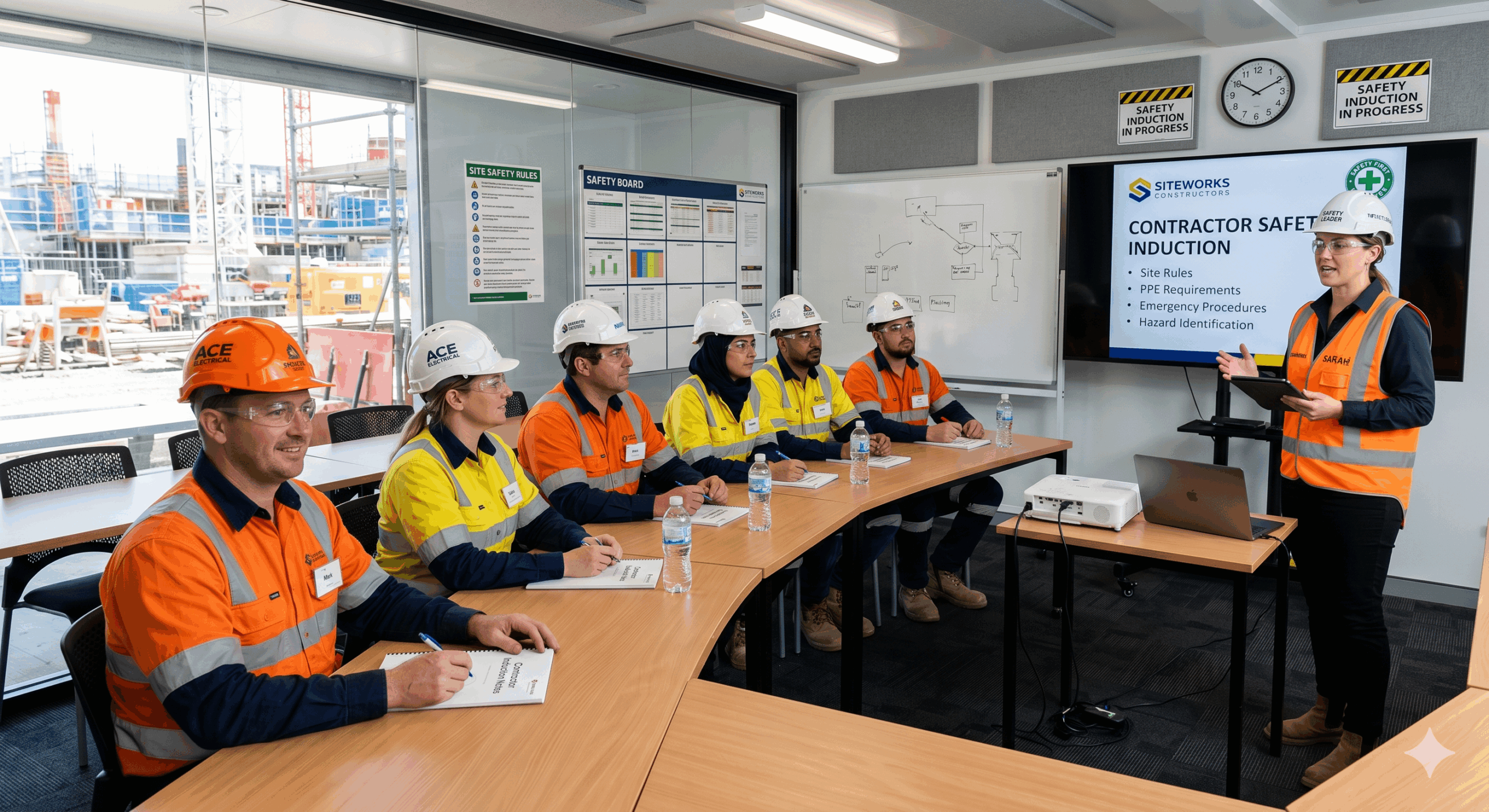
Contractor Induction in 2026: Digital, Multilingual, and Compliant
Contractor Induction in 2026: Digital, Multilingual, and Compliant The Groundhog Day of Contractor Safety For years, contractor onboarding has felt like a corporate version of Groundhog Day for EHS managers. Every Monday morning, a fresh group of third-party technicians, delivery personnel, or engineering contractors arrives at the gate, and the routine begins again: printing out sign-in sheets, chasing down copies of missing certifications, and running through the same PowerPoint presentation. As we move through 2026,…

Remote vs Hybrid Auditing: Finding the Balance in 2026
The term safety statement is used to describe a document which summarises how an Irish company manages risk and provides an opportunity for company management to show commitment to their employees that workplace risk is effectively managed.