

SunSmart at Work: Protecting Outdoor Teams from UV Risks
SunSmart at Work: Protecting Outdoor Teams from UV Risks The Changing Climate of Outdoor Safety As we navigate the high UV-index months of summer 2026, Irish workplaces are facing an operational reality that can no longer be ignored. For decades, many operators in Ireland viewed solar radiation as a minor, secondary hazard primarily managed by providing standard hardhat brims or optional sunscreen. Today, higher summer temperatures and sustained high UV index periods have elevated ultraviolet…
Lessons from Construction Safety Week 2026: Maintaining the Momentum on High-Energy Safety
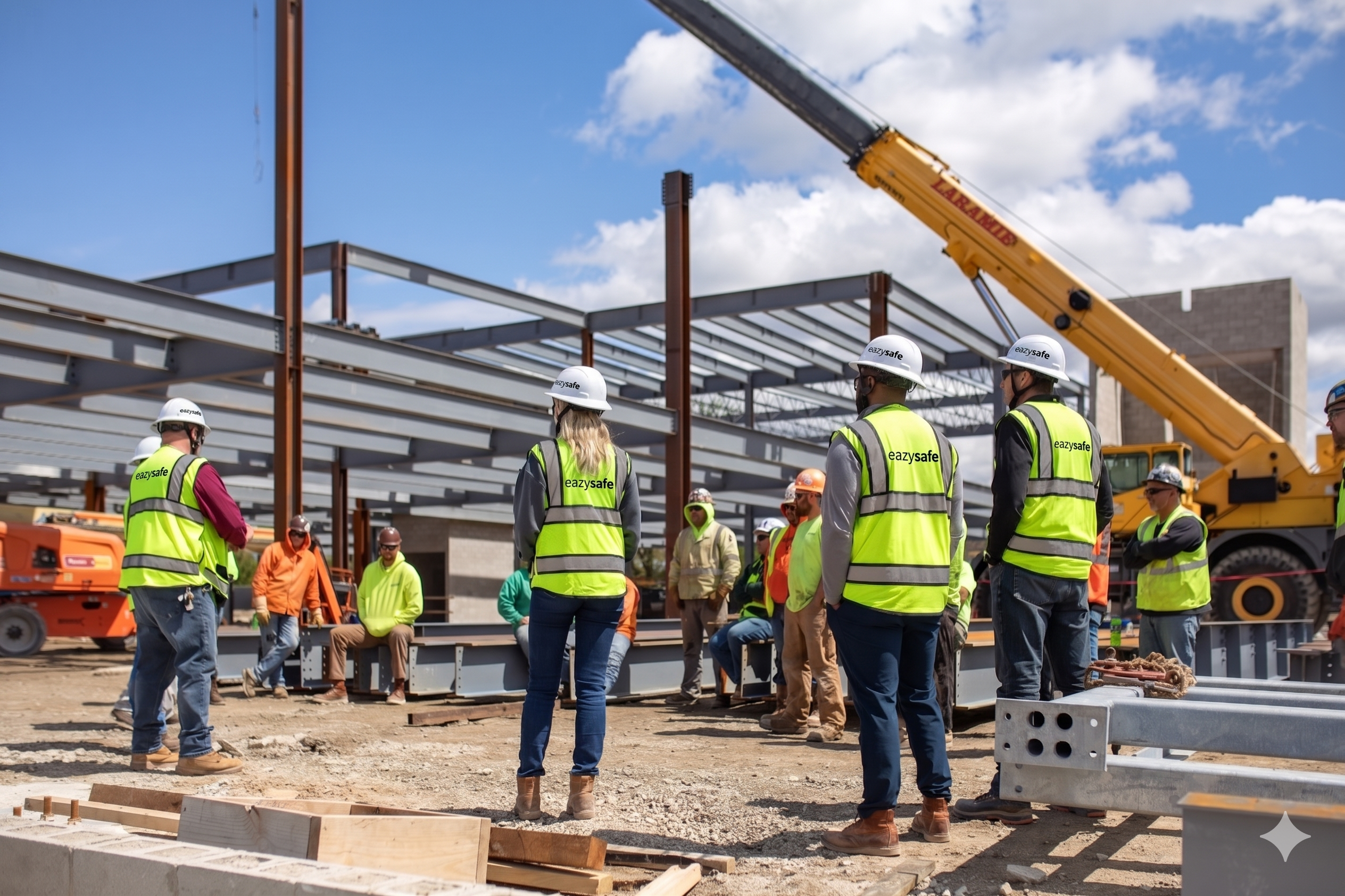
Construction Safety Week 2026: Recognise, Respond, and Respect From Awareness to daily operation Last month (May 4–8), the global construction sector united under a single, urgent banner: All In Together: Recognise, Respond, Respect. Supported across the industry, the campaign focused heavily on how jobsites manage high-energy, high-hazard activities to prevent serious injuries and fatalities (SIFs). However, as any EHS professional knows, the true test of a safety campaign isn't what happens during the week itself;…
Contractor Induction in 2026: Digital, Multilingual, and Compliant
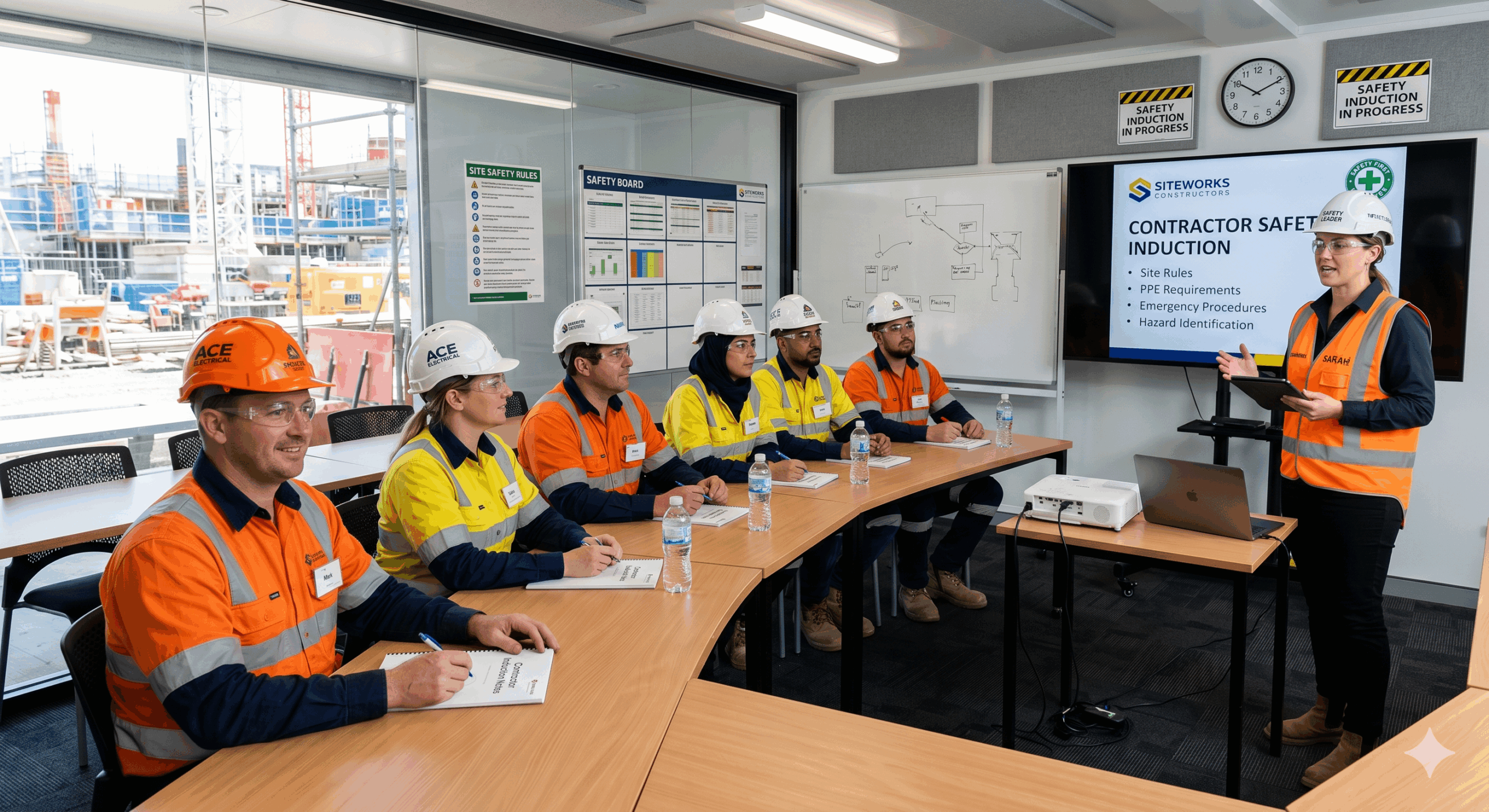
Contractor Induction in 2026: Digital, Multilingual, and Compliant The Groundhog Day of Contractor Safety For years, contractor onboarding has felt like a corporate version of Groundhog Day for EHS managers. Every Monday morning, a fresh group of third-party technicians, delivery personnel, or engineering contractors arrives at the gate, and the routine begins again: printing out sign-in sheets, chasing down copies of missing certifications, and running through the same PowerPoint presentation. As we move through 2026,…

Mastering Chemical Safety 2026
Mastering Chemical Safety in 2026: REACH and CLP Compliance The landscape of chemical safety is shifting. For contractors operating in the pharmaceutical and warehousing sectors, 2026 is not just another year on the calendar—it is a regulatory finish line. As the European Chemicals Agency (ECHA) tightens its grip on the movement and labeling of substances, the "wait and see" approach has become a significant business liability. Mastering REACH (Registration, Evaluation, Authorisation, and Restriction of Chemicals)…

Auditor Pillar Safety Assurance
Auditor Pillar: ISO 19011:2026—The New Era of Safety Assurance The Auditor as a Strategic Advisor The arrival of the ISO 19011:2026 update marks the end of safety auditing as a mere "police" function focused on ticking boxes. In 2026, the auditor's role has officially shifted to that of a strategic advisor. Safety assurance is now about evaluating how effectively a management system supports the long-term resilience and strategic goals of the organization, moving beyond simply…
Hybrid Work Safety Revolution
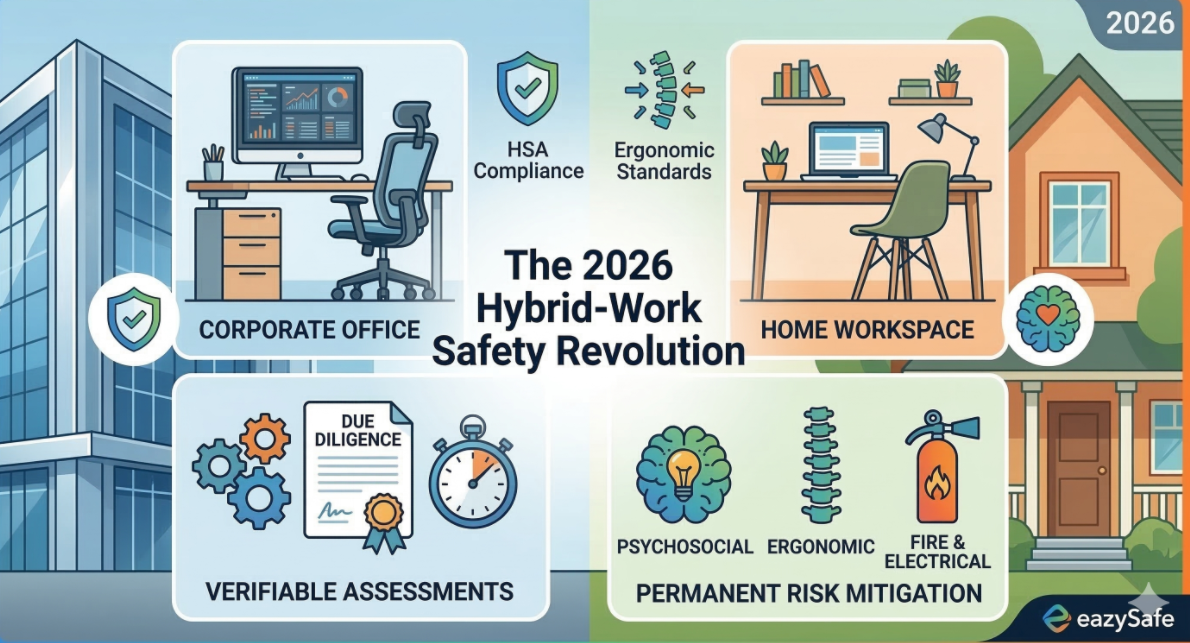
Why Your 2026 Safety Statement Needs a Hybrid-Work Revolution The Shift to Dual-Location Risk Assessments For the past few years, many Irish organizations treated remote work as a "special case"—a temporary addendum to their primary Safety Statement. However, as we move through 2026, the Health and Safety Authority (HSA) and insurance providers have shifted their expectations. The "temporary" grace period is over. The Legal Landscape of 2026 Under the Safety, Health and Welfare at Work…

Chemical Safety Training
Chemical Safety Training in Industry Chemical Safety Training in Industry Chemicals are a vital part of many industries, from manufacturing and pharmaceuticals to cleaning and maintenance. However, their utility comes with inherent risks. Proper handling, storage, and awareness are not just regulatory requirements—they are critical lines of defence for your employees and your local community. The Reality of Chemical Risks The potential consequences of mishandling hazardous substances were starkly illustrated in January 2024 at a plant in…

Managing Manual Handling Risks
Manual Handling Risk Management Back injuries and back pain are something that most people suffer during their lifetime, with many of these injuries originating in the workplace. In fact, recent Health and Safety Authority (HSA) data confirms that manual handling remains a primary cause of non-fatal accidents. Statistics from 2021 show manual handling was the single most common trigger, accounting for 32% of all non-fatal injuries. These incidents are a leading cause of back injuries,…

Back To Basics
Back to Basics: A Campaign for Safety The Construction Industry Federation (CIF) is launching its 2025 drive for safety under the straightforward but powerful slogan: "Back to Basics." What makes this year different is a critical partnership with Spinal Injuries Ireland (SII), a partnership which adds a face to the purpose of the campaign to avoid life-altering accidents. Behind every statistic there are families that have been affected for life with the tragic outcomes of…
Online Contractor Induction
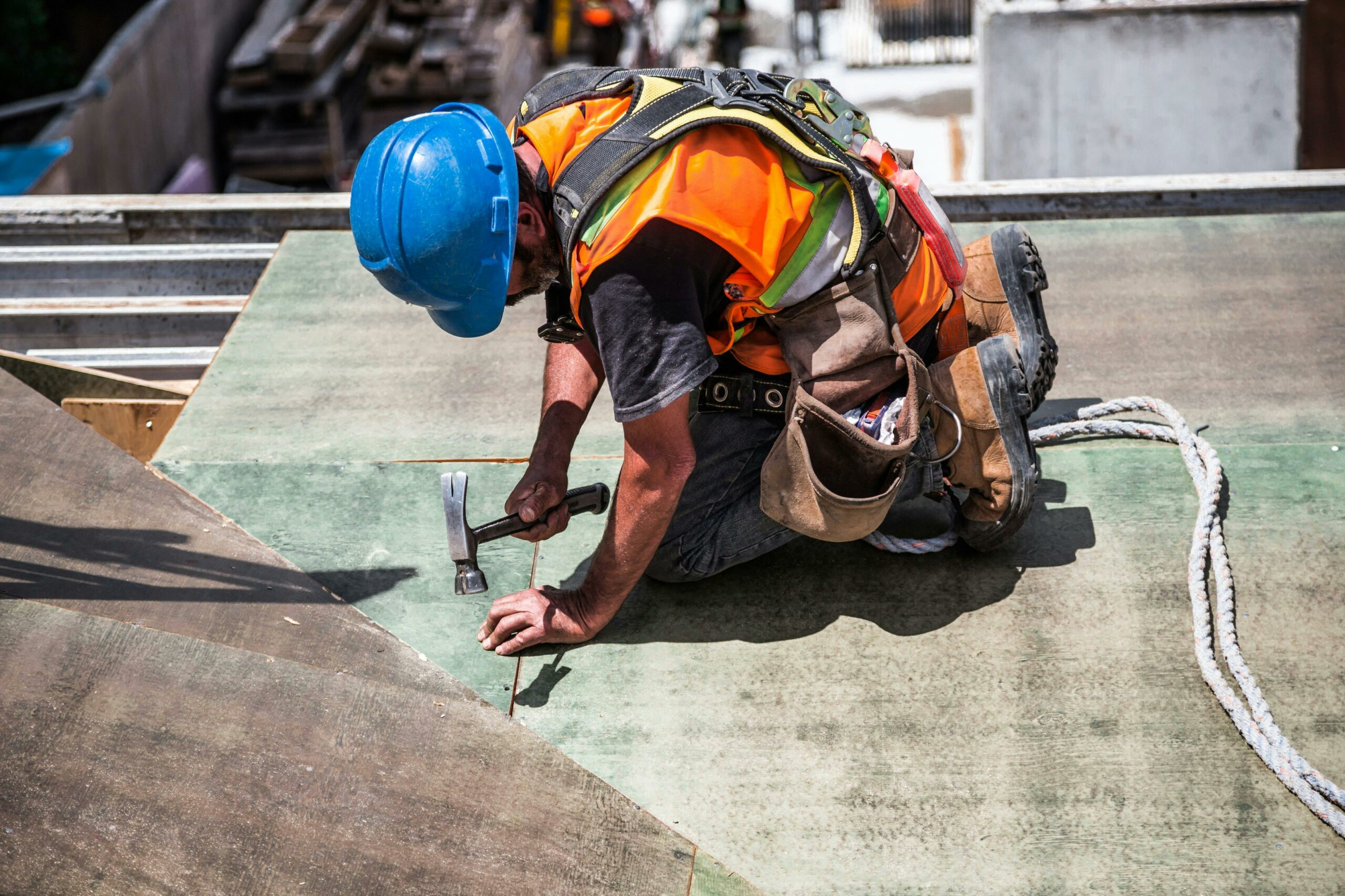
Why Formal Contractor Induction is Essential Successful businesses rely on external expertise. Contractors, maintenance crews, and specialists play a crucial role, but they bring fresh risks. Simply signing them in and pointing them toward their tasks is not enough, legally or practically. Irish law obligates employers to safeguard the health and safety of everyone on site, including contractors. The Safety, Health and Welfare at Work Act 2005 specifically requires employers to inform contractors about site…