

The Green Safety Officer: Integrating Environmental Compliance into EHS Systems

Contractor Induction in 2026: Digital, Multilingual, and Compliant
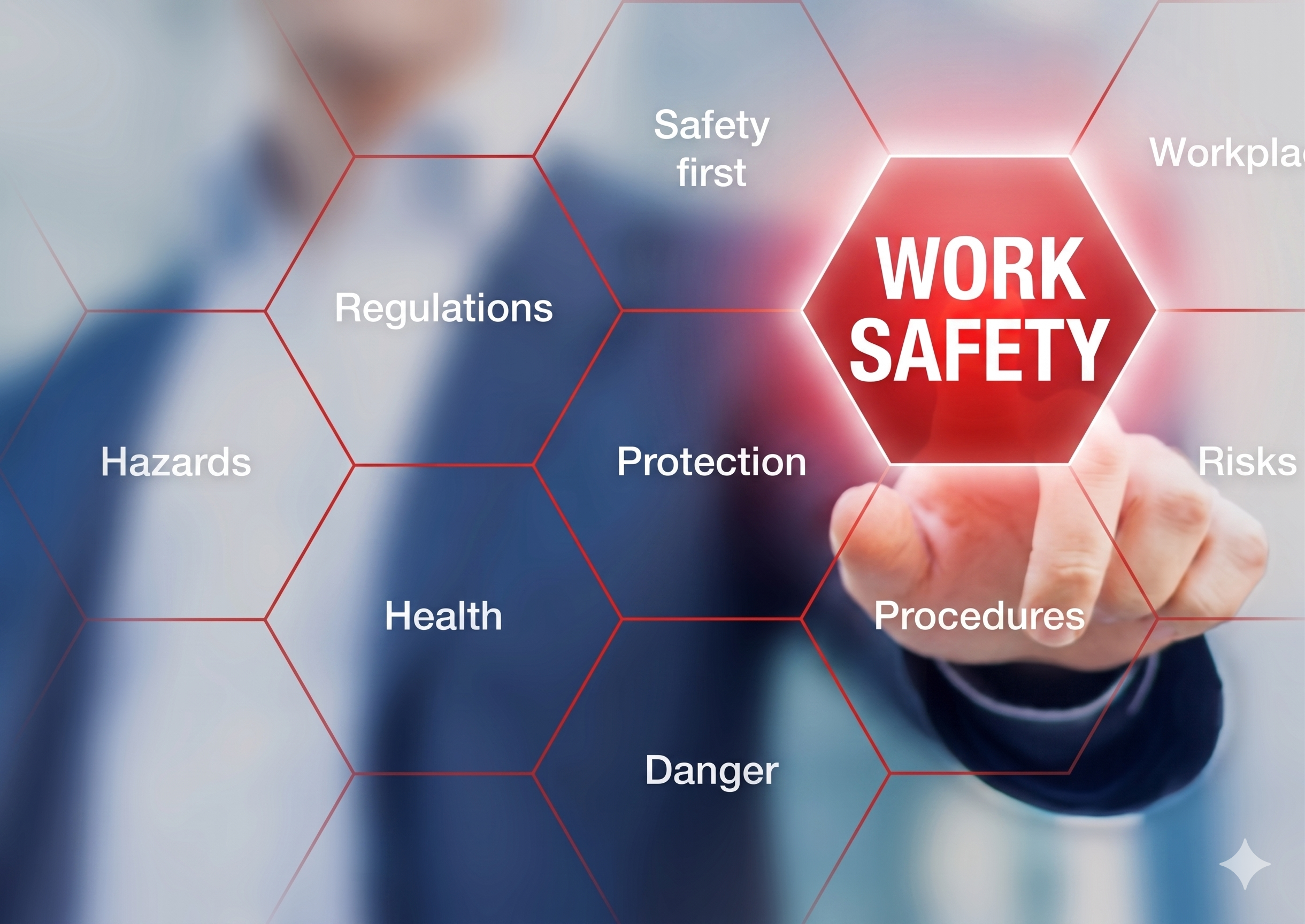
Supply Chain Due Diligence: Your Safety Responsibility Beyond Your Own Gates

ESG Operationalisation: Why Safety Is The “S” Your Investors are watching
The term safety statement is used to describe a document which summarises how an Irish company manages risk and provides an opportunity for company management to show commitment to their employees that workplace risk is effectively managed.

Remote vs Hybrid Auditing: Finding the Balance in 2026
The term safety statement is used to describe a document which summarises how an Irish company manages risk and provides an opportunity for company management to show commitment to their employees that workplace risk is effectively managed.

The Right to Disconnect 2.0: Managing Mental Fatigue in 2026
The term safety statement is used to describe a document which summarises how an Irish company manages risk and provides an opportunity for company management to show commitment to their employees that workplace risk is effectively managed.

Psychosocial Risk Assessment: The HSA’s New Non-Negotiable Inspection Area
The term safety statement is used to describe a document which summarises how an Irish company manages risk and provides an opportunity for company management to show commitment to their employees that workplace risk is effectively managed.

ISO 14001:2026 Revision What Organisations Need to Know
The term safety statement is used to describe a document which summarises how an Irish company manages risk and provides an opportunity for company management to show commitment to their employees that workplace risk is effectively managed.
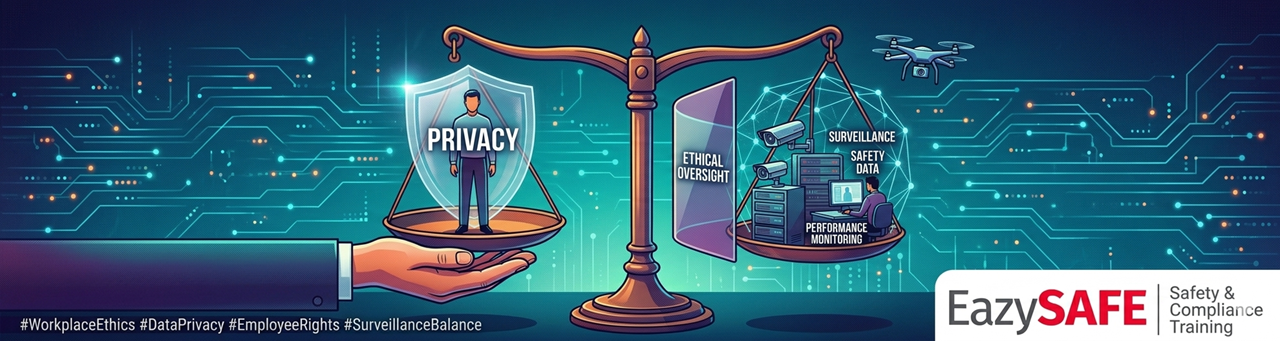
The Worker Privacy Paradox

Drones in the Workplace: How the HSA is Watching Your Site from Above
The term safety statement is used to describe a document which summarises how an Irish company manages risk and provides an opportunity for company management to show commitment to their employees that workplace risk is effectively managed.