
The Privacy Paradox: Balancing Worker Surveillance with Ethical Safety
In the modern digital workplace, the line between “oversight” and “intrusion” has become increasingly thin. As an employer, you likely face a complex dilemma: how do you leverage technology to ensure workplace safety and productivity without eroding the fundamental trust of your workforce?
This is the Privacy Paradox.
While the drive for data-driven insights is understandable, the ethical implications of surveillance are profound. To build a resilient, high-performing brand, leadership must move beyond what is technically possible and focus on what is ethically responsible.
The Evolution of Oversight Workplace monitoring is not new, but its capabilities have scaled exponentially. We have transitioned from simple punch clocks to sophisticated ecosystems involving:
-
Biometric Access: Fingerprint and facial recognition for secure entry.
-
Activity Tracking: Software that monitors keystrokes, screen time, and application usage.
-
Wearable Safety Tech: Sensors that track fatigue, posture, or proximity to heavy machinery.
These tools offer undeniable benefits, particularly in high-risk industries like manufacturing or logistics, where real-time data can literally save lives. However, when monitoring shifts from “safety-first” to “surveillance-always,” the psychological contract between employer and employee begins to fracture.
The Ethical Framework: Safety vs. Privacy
The core of the paradox lies in the intent. Ethical surveillance is built on the principle of proportionality. Before deploying a new monitoring tool, you must ask if the measure is necessary to achieve a legitimate goal and if it is the least intrusive way to do so.
-
Transparency as a Foundation: Nothing kills morale faster than “shadow” surveillance. Employers must be radically transparent about what data is being collected and why. When employees understand that a wearable device is meant to prevent heat exhaustion—rather than track their bathroom breaks—the technology is viewed as a tool for their benefit, not a weapon for their discipline.
-
Data Minimization: The “collect everything, sort it later” mentality is a significant legal and ethical risk. Ethical safety protocols adhere to data minimization: collecting only the specific data points required for the stated purpose. For example, if you are monitoring driving patterns for fleet safety, you likely don’t need to record audio inside the cabin.
-
Rights: The Right to “Disconnect” Privacy is not just about data; it’s about mental space. In a world of remote and hybrid work, surveillance can easily bleed into the home. Establishing clear boundaries—ensuring that monitoring tools are strictly deactivated outside of working hours—is essential for maintaining the right to privacy.
The ROI of Trust
It is a common misconception that more surveillance equals more productivity. In reality, hyper-surveillance often leads to increased stress and burnout, reduced innovation, and high turnover as top talent seeks autonomy elsewhere.
Conversely, an ethics-first approach boosts your brand’s reputation. In an era where “Glassdoor” reviews and social media transparency can make or break a recruiting cycle, being known as an employer that respects privacy is a powerful competitive advantage.
Implementing a Balanced Strategy To navigate the Privacy Paradox successfully, consider these three actionable steps:
-
Audit: Review current monitoring tools and their data outputs to identify and eliminate redundant or invasive tracking.
-
Consult: Engage with employee focus groups or unions regarding new tech to build buy-in and address privacy concerns early.
-
Govern: Create a “Digital Ethics Policy” that goes beyond legal compliance to set a high standard for corporate integrity.
Final Thoughts
The goal of workplace technology should be to empower the human element, not to diminish it. By balancing the need for safety with a deep respect for the individual’s right to privacy, you do more than just mitigate risk—you cultivate a culture of mutual respect.
In the end, the most effective “monitoring” tool is not a camera or a keystroke logger; it is the culture of trust you build within your organization. When employees feel safe, respected, and private, they don’t just work harder—they work better.

Discover our Safety Training Platform
Train your employees anytime, anywhere with our environmental, health, safety and wellness training platform.
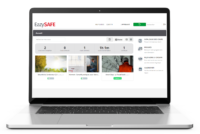
TAILORED TRAINING
Discover our safety training courses and ehs onboardings, which can be customised and offered in several languages.
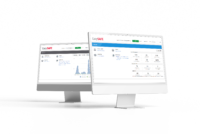
SAFETY MANAGEMENT
Ensure the distribution of your safety policy by training your permanent, temporary or seasonal staff.
GLOBAL MONITORING
Simplify the management of your safety policy thanks to the numerous dashboards and training reports.
Related Posts