

Protecting Young Workers’ Health and Safety
So what makes young workers so vulnerable? A young person or younger workers perspective is undeveloped; the lack of real-life experience is to be expected and they need guidance and protection through this vulnerable time.

Human Influences in Emergency Situations
Understanding how humans react psychologically to emergencies may give some insight into how your own behaviour and the behaviour of the group may be compromised in an emergency.
Contractor Management – Managing the Risk Potential
Whilst there are significant advantages of using contractors, an organisations safety management system must be geared to manage the potential imported risk. Andy Tilleard explores the 4 phases of the basic framework to oversee contractor management.
Safety Training – The Basic Principles
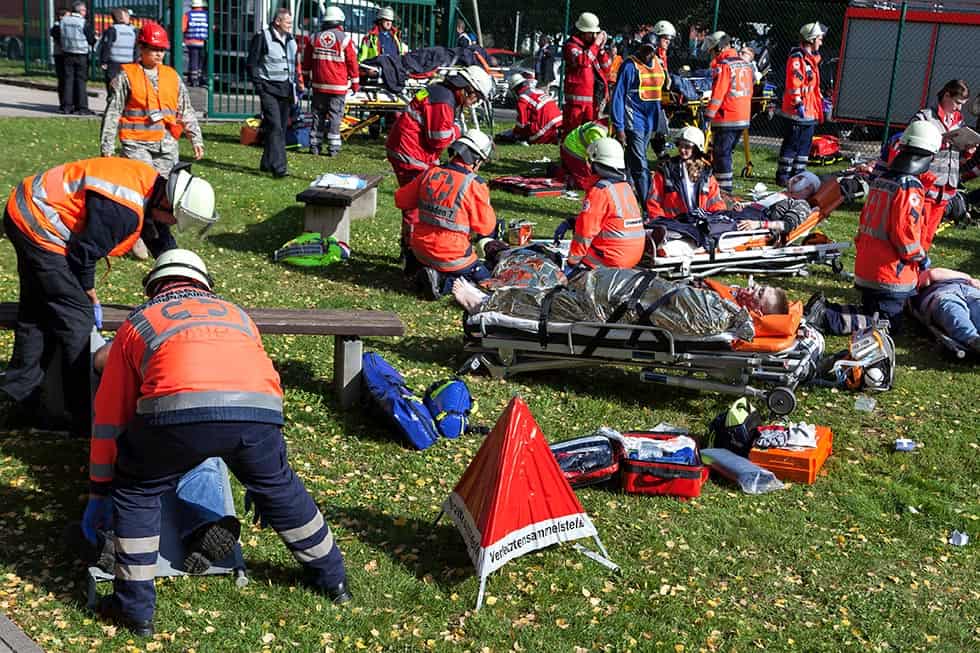
In responding to an emergency situation, we don’t rise to the level of our expectations, we sink to the level of our safety training.

The Value of Older Workers
Older workers have not been appreciated or regarded in a positive light but now that is changing and here are some reasons why in today’s very competitive workplace, older workers are making a comeback.

Risk Assessment – The basic principles
Where risk cannot be avoided, it has to be managed. This means developing an approach to identify, analyse, evaluate and control risk.

Safety Performance: Leading v’s Lagging Indicators
Due to the reactionary nature of lagging indicators, they don’t make for a strong gauge for measuring overall safety and prevention. Unfortunately, they can lead managers and employees to become complacent, just because they see a low injury rate.

The Push for Zero
In recent times there has been the emergence of a new philosophy in safety which has at its heart the concept that all accidents are preventable. To promote this, schemes and programmes have been developed that use the word zero in their title.

The Importance of Completing Corrective Actions
Generating corrective and preventative actions (CAPA’s) and recording them in a plan is one thing, closing them out to a satisfactory standard, verifying that that has been done and monitoring ongoing compliance is another.