
Continuous monitoring Vs Periodic Audits
Is the Annual Audit Dead?
From Audit Day to Everyday Assurance
A periodic audit remains a valuable test of governance, legal alignment and the overall health of an EHS management system. It brings structure, independence and time for deeper challenge. Its limitation is timing. A plant can change a production line, onboard a contractor, accumulate overdue actions or introduce a new shift pattern months before the next formal review.
Irish guidance already supports a combined approach. The Health and Safety Authority describes active monitoring before things go wrong and reactive monitoring after incidents or near misses. It also says audits should complement routine monitoring, inspection and surveillance. The Safety Statement should be reviewed at least annually and whenever significant change takes place.
For EHS leaders, the practical shift is from audit readiness to safety assurance. Instead of assembling evidence shortly before an audit, teams create a reliable digital footprint through everyday checks, reports, training records and corrective actions. The audit then tests whether that evidence is complete, accurate and producing safer work.
The Continuing Role of the Periodic Audit
A dashboard cannot replace an auditor’s judgement. Periodic audits can examine whether risk assessments reflect actual work, compare written controls with practice, interview workers and challenge weaknesses that routine reports may normalise. They also test the design of the system rather than simply counting activity within it.
The weakness appears when the audit becomes the main control. A scheduled visit provides a sample of one period, often after records have been tidied and managers have focused attention on known gaps. Findings may be sound, but a serious issue discovered today could have been present for weeks. By the time trends are assembled manually, the opportunity for early intervention may have passed.
Continuous monitoring closes this time gap. It does not mean watching every worker or collecting every possible data point. It means choosing a small set of operational signals that show whether priority controls are present, understood and maintained between audits.
Three Priorities for Continuous Safety Assurance
Useful monitoring follows the risk. For industrial, manufacturing and logistics operations, three areas provide a practical starting point.
Track the condition of critical controls
Monitor the routines that protect people from high-consequence hazards: equipment inspections, vehicle and pedestrian controls, permits, maintenance checks and local housekeeping standards. Look beyond completion percentages. Repeated exceptions, rushed submissions or checks completed at unusual times may show that the routine exists on screen but is weak in practice.
Make competence visible
Training and induction data should show who is ready for the work now. Leaders need visibility of overdue learning, expiring certification, contractor induction status and gaps by role, site or shift. Completion is only one indicator; supervision, observation and worker feedback must confirm that people can apply the control under real operating pressure.
Measure response and learning
The most revealing metric is often what happens after someone raises a concern. Track the time from hazard or near-miss report to ownership, interim protection, permanent correction and verification. Review recurring issues and whether findings changed a risk assessment, work instruction or training module. This turns reporting into a management feedback loop rather than a digital suggestion box.
Strategic focus: measure the health of the reporting system. Low incident and near-miss numbers do not automatically prove strong performance. A rise in reports may reflect better engagement. Leaders should examine reporting access, response quality, closure time and recurrence together.
The eazySafe Advantage for Live Safety Evidence
EazySafe helps organisations build the evidence layer between formal audits. Through training, onboarding and the wider safety-management offering, routine activity can create traceable records that leaders review during the year and auditors can test later.
- Digital routines and checklists. Give managers real-time visibility of whether scheduled health and safety checks were completed, with a consistent record across sites.
- Near-miss and hazard reporting. Let employees record hazards, safety observations and maintenance issues promptly so emerging patterns can be reviewed before an injury occurs.
- Corrective action tracking. Log actions, assign responsibility and follow progress on any device, creating a clear trail from finding to verified closure.
- Training and induction traceability. Use dashboards, reports and a training matrix to monitor employee and contractor readiness, including learning completed before arrival on site.
This does not remove the need for competent inspection or independent audit. It gives those activities a stronger evidence base and helps management intervene while a problem is still developing.
2026 Continuous Assurance Action Plan
Use five practical steps to connect daily signals with periodic review.
- Keep the audit calendar. Define what the periodic audit must test, including system design, field practice, data quality and the effectiveness of completed actions.
- Select risk-based signals. Choose a short list linked to critical controls, competence and response. Avoid a dashboard crowded with measures that do not change decisions.
- Set owners and thresholds. Define who reviews each signal, how quickly exceptions must be escalated and what evidence is required before an action can close.
- Digitise the frontline workflow. Make checks, hazard reporting, inductions and learning easy to complete where work happens, with consistent records across the organisation.
- Review and challenge the data. Discuss trends routinely, consult workers and use the periodic audit to test whether the digital record matches conditions on the floor.
Keep the Audit and Strengthen the Evidence
The annual audit still has an essential role, but it should no longer carry the full burden of assurance. Periodic audits provide independent challenge and a system-wide view. Continuous monitoring provides earlier warning, visible ownership and evidence of how controls perform between formal reviews.
The goal is not more data. It is faster recognition of drift and a reliable path from concern to correction. Organisations must also govern access, accuracy and privacy, especially where digital systems collect data about individual workers. With clear measures, worker consultation and disciplined follow-up, the digital footprint becomes evidence of everyday safety management rather than preparation for one day each year.
Build safety assurance that works every day. Let eazySafe connect routine checks, reporting, corrective actions, training and contractor readiness in one traceable approach.

Discover our Contractor Induction Platform
Streamline your contractor management with our customisable, compliant, and easy-to-use digital induction system.
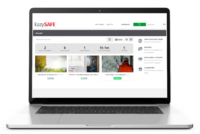
TAILORED INDUCTION
Create site-specific inductions that can be customised and offered in several languages.
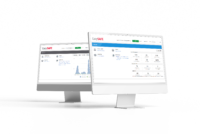
AUTOMATED COMPLIANCE
Ensure contractors complete training before arrival with automated reminders and digital certificates.
CENTRALISED MANAGEMENT
Simplify oversight with dashboards and real-time records, making audits straightforward.