
Inclusive Leadership: The Secret Ingredient to a Mature Safety Culture
Why empathy and transparent communication are the most critical skills for the 2026 safety leader.
The New Directive in Safety Excellence
As we navigate the operational demands of 2026, the definition of an effective safety leader has undergone a profound shift. For decades, the industry relied heavily on command-and-control figures—leaders who enforced rules through top-down mandates, strict policing, and disciplinary measures.
However, as jobsites become more diverse, highly automated, and cross-functional, traditional authoritative methods are failing to deliver sustainable safety results. Consequently, today’s workforce expects more than just a list of prohibitions; indeed, they demand an environment built on trust.
Inclusive Leadership has emerged as the definitive secret ingredient to achieving a mature, high-performing safety culture. Therefore, empathy and transparent communication are no longer regarded as soft skills; rather, they are the most critical operational tools for the modern
The Dynamic Landscape: Why “Command and Control” Fails
In high-velocity environments from pharmaceutical plants in Cork to fast-paced construction sectors, safety relies entirely on the quality of your field intelligence. Unfortunately, command-and-control structures create a dangerous feedback loop: when management rules with a heavy hand, workers stop reporting mistakes out of fear.
Inclusive leadership, by contrast, removes the fear of reporting. Specifically, it recognises three baseline realities:
Facing the Realities of the Modern Front Line
- The Diverse Front Line: Ireland’s workforce is deeply diverse, spanning multiple nationalities, ages, and backgrounds. Therefore, a leader who cannot practice empathy or communicate across cultural boundaries will inadvertently isolate transient or subcontractor teams, thereby creating dangerous compliance gaps.
- Psychological Safety Matters: If an apprentice or contractor feels ignored or undervalued, they will naturally refuse to voice concerns when they spot a high-energy hazard or a faulty piece of equipment. Fortunately, inclusive leadership directly builds the psychological safety required to make Stop Work Authority a functioning reality, not just a line item in a policy manual.
- Dismantling “Hero Culture”: Inclusive leaders actively call out the hazardous “hero culture” that rewards cutting corners or working past cognitive limits to meet production quotas. Instead, they replace it with an operational culture that respects human thresholds and values rest as a key safety component.
The Operational Pillars of Inclusive Safety Leadership
To translate inclusive leadership from an abstract concept into an active, on-site framework, safety professionals must operationalise two core leadership habits:
💡 Active Empathy and Engagement
Empathy in safety means understanding why a worker might take a shortcut. Instead of immediately assigning blame following a near-miss, an inclusive leader asks: “What structural pressure or broken tool forced you to make that choice?” Ultimately, by understanding the worker’s reality, you can redesign the workflow to eliminate the hazard permanently.
📢 Transparent, Multi-Directional Communication
Furthermore, transparent communication means sharing the “why” behind safety protocols. When teams understand the underlying risk architecture of a specific procedure, compliance rises naturally. More importantly, communication must flow upward. For this reason, leaders must actively seek input from the floor before signing off on new Risk Assessment Method Statements (RAMS), ensuring that practical experience guides corporate policy.
2026 Action Plan: Operationalising Inclusive Leadership
To embed empathy and transparent communication into your leadership team’s daily habits, implement this 5-step checklist:
- Rethink Post-Incident Reviews: Shift from a blame-focused “Who did it?” model to an empathetic, system-focused “Why did it make sense to them at the time?” investigation format.
- Deconstruct Your Toolbox Talks: Transition from top-down lectures to interactive, two-way safety discussions that actively solicit input from apprentices and subcontractors.
- Audit Linguistic Accessibility: Review your site demographics and update your eazySafe platform to provide core safety modules in your team’s primary native languages.
- Celebrate Safety Voices: Publicly recognise and reward workers or contractors who utilise their Stop Work Authority or log critical near-misses, establishing a positive cultural baseline.
- Verify Room for Feedback: Create simple, anonymous digital channels where floor staff can review new safety procedures and flag real-world friction points before rules are formally mandated.
Inclusivity is the Ultimate Safeguard
In 2026, safety maturity is not measured by the number of fines issued or the rigidity of your rulebook. Instead, it is measured by the strength of your workplace relationships.
Inclusive leadership isn’t about weakening safety standards; rather, it is about strengthening the human infrastructure that keeps your site secure. By leading with empathy, practising transparent communication, and leveraging intelligent digital tools like EazySafe to welcome and educate every worker uniformly, you build an airtight safety culture.
When every person on your team feels included, respected, and heard, they don’t just follow the rules; they actively own the safety of the entire site.

Discover our Contractor Induction Platform
Streamline your contractor management with our customisable, compliant, and easy-to-use digital induction system.
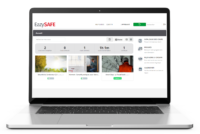
TAILORED INDUCTION
Create site-specific inductions that can be customised and offered in several languages.
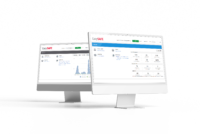
AUTOMATED COMPLIANCE
Ensure contractors complete training before arrival with automated reminders and digital certificates.
CENTRALISED MANAGEMENT
Simplify oversight with dashboards and real-time records, making audits straightforward.