
Evaluating Safety Culture: The Hardest Part of Your 2026 Audit
“In 2026, compliance audits are shifting away from paper trails to focus heavily on the psychological and behavioural reality of your shop floor.”
For years, preparing for an EHS audit followed a predictable playbook: update the risk register, tidy up the folder of signed attendance sheets, and ensure the safety statement was printed and bound. If the paperwork was orderly, you walked away with a passing grade.
As we progress through 2026, that era is officially over. Regulatory bodies, certification auditors, and insurance underwriters have realised that a flawless paper trail can coexist with a toxic, high-risk operational environment. Today, the core focus of a modern audit has shifted to the most elusive metric of all: Safety Culture. Evaluating how people behave when management isn’t looking is the hardest, most complex part of your 2026 audit, but it is also the truest indicator of organisational health.
Why Culture is the Ultimate Audit Challenge
As highlighted in the title, evaluating safety culture is notoriously difficult because, unlike a machine guard or a fire extinguisher, culture cannot be physically measured. In high-consequence Irish sectors—from manufacturing hubs to intensive logistics operations- auditors are looking past the “what” of your policies to uncover the “how” of daily behaviour.
Traditional audit methods fall short here for three reasons:
- The Auditor Effect: Workers alter their behaviour when they see a high-vis jacket and a clipboard. A physical walkthrough only gives an auditor a snapshot of perfect compliance, not the baseline reality.
- The Hero Culture Trap: Organizations often reward speed and output over safe procedures, creating an unspoken rule that cutting corners is acceptable as long as nothing goes wrong.
- The Invisible Disconnect: A company might have excellent safety policies at the executive level, but a complete breakdown in hazard communication by the time it reaches frontline contractors.
How 2026 Auditors Measure the Unmeasurable
Modern auditors have moved beyond static checklist verification. In 2026, evaluating culture relies on triangulating documentation with real-time human indicators.
👥Psychological Safety Audits
Auditors are now conducting unscripted, confidential group interviews with frontline staff and temporary contractors. They ask questions designed to gauge psychological safety:
If you stop a line for a safety concern, will you face backlash from your supervisor?
Is near-miss reporting viewed as a positive contribution or a bureaucratic hassle?
📊 Training Velocity vs. Deficits
An auditor will look at your digital learning footprint. A massive rush of training completions 48 hours before an audit is a massive red flag; it signals “checkbox compliance”
Conversely, a steady, predictable rhythm of continuous safety education and immediate onboarding completions signals a living safety culture.
🔄 The “Closed-Loop” Metric
Manually checking Safe Pass cards, insurance certs, and specialised trade tickets under pressure at the front desk makes it incredibly easy for expired or fraudulent documentation to slip through unnoticed.
It is no longer enough to show a log of 100 reported hazards. Auditors will track a random sample of those reports to see how quickly they were resolved and whether the frontline worker who reported it was brought into the loop on the solution.
🔎 The Auditor’s Strategic View: From Written Rules to Lived Realities
If a site supervisor claims they have a world-class safety culture, but their digital dashboard shows that 30% of their subcontracted forklift drivers are operating on expired site inductions, the culture is broken. In 2026, a strong safety culture isn’t a feeling; it’s an observable pattern of verified competency, transparent data, and mutual respect between leadership and the floor.
Creating a Verifiable Culture Footprint
The primary roadblock to passing a modern safety culture audit is the lack of verifiable data. You cannot prove your culture is healthy using word-of-mouth. This is where eazySafe transforms your audit readiness.
- Continuous Engagement Metrics: eazySafe provides clear, timestamped evidence of ongoing compliance. It proves to an auditor that training is an intrinsic, day-one requirement for your staff, not a panicked afterthought.
- Consistent Risk Communication: By standardising your safety inductions and hazard education across multiple languages, eazySafe helps eliminate the contractor vulnerability gap, ensuring everyone shares the same safety language.
- Audit-Ready Dashboards: Instead of scrambling to find paper signatures during a hybrid or remote review, eazySafe allows you to grant an auditor instant access to clean, unalterable competency records with a single click.
2026 Culture Audit Action Plan: Steps for EHS Leaders
To ensure your organisation’s safety culture can withstand a rigorous 2026 evaluation, execute these five practical steps:
- Review Your Reporting Sentiment: Audit your near-miss logs. If 95% of reports blame “human error” instead of system or engineering failures, your culture may be blaming workers rather than fixing root causes.
- Dismantle the Audit Rush: Use a centralised platform to automate recurring alerts. Schedule refresher training throughout the year to avoid last-minute audit spikes.
- Test Your Stop-Work Authority: Ask five workers what happens if they stop a task over a safety concern. If they fear delays or consequences, address the issue with supervisors immediately.
- Unify Contractor Onboarding: Give contractors and temporary staff the same high-quality digital safety induction as permanent employees with EazySafe.
- Track Resolution Speed: Measure how long it takes to resolve a reported hazard. Share these results with your next auditor to demonstrate a proactive safety culture.
Conclusion: Culture is Your Strongest Asset
A safety culture audit can feel intimidating because it exposes the true, unvarnished reality of your operation. But for forward-thinking organisations, it is an invaluable opportunity to stand out.
By moving past the legacy paperwork trap and investing in robust digital workflows that verify, train, and protect your teams every single day, you build a resilient safety culture.

Discover our Contractor Induction Platform
Streamline your contractor management with our customisable, compliant, and easy-to-use digital induction system.
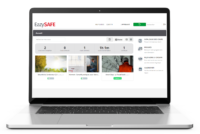
TAILORED INDUCTION
Create site-specific inductions that can be customised and offered in several languages.
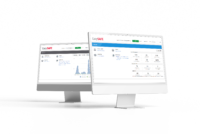
AUTOMATED COMPLIANCE
Ensure contractors complete training before arrival with automated reminders and digital certificates.
CENTRALISED MANAGEMENT
Simplify oversight with dashboards and real-time records, making audits straightforward.