
Supply Chain Due Diligence: Your Safety Responsibility Beyond Your Own Gates
The Extended Enterprise
For decades, the “Safety Statement” was focused on the internal workforce and site-specific hazards. However, in 2026, the regulatory and societal expectations for corporate accountability have undergone a radical transformation. Organisations are now being held liable for human rights, labour conditions, and safety standards deep within their supply chains.
“Supply Chain Due Diligence” is no longer just a boardroom concept for multinational corporations; it is an operational imperative for any organisation aiming to maintain certification and investor trust. Safety is now a holistic requirement that travels with every component, raw material, and service provider involved in your business operations.
The 2026 Regulatory Landscape
Regulators in Ireland and across the EU have strengthened the legal frameworks governing third-party accountability.
- Expanded Liability: Organizations are increasingly responsible for ensuring that suppliers adhere to international safety standards, regardless of the supplier’s location.
- Verifiable Compliance: It is no longer sufficient to have a “Supplier Code of Conduct” on file. Regulators now require verifiable, real-time evidence that safety protocols are being followed by every partner in the chain.
- Risk-Based Oversight: Due diligence must now be proportionate to the risk. A supplier in a high-risk industry (e.g., raw material extraction) requires significantly more oversight than a low-risk service provider.
The Operational Challenge: Maintaining Integrity at a Distance
The primary challenge for EHS managers is maintaining safety integrity when they are not physically present to monitor the work. The “safety gap” between your organisation and its furthest partner is often your greatest point of vulnerability, a space where assumptions replace verification.
Three challenges typically create this gap:
-
The “Black Box” Effect: Without centralised tracking, you only hear about safety issues after an incident, rather than during the prevention phase.
-
Data Fragmentation: When safety data is scattered across different software or paper files, you lack the full picture needed to manage risk.
-
The Competency Trap: A primary driver of accidents is the presence of inadequately trained contractors. If the person at the end of your supply chain isn’t properly inducted, your safety culture stops at your front gate.
In 2026, the standard has shifted toward Digital Transparency. Building “Digital Trust” means creating a single source of truth. Safety responsibility is now absolute, if it happens in your supply chain, it happens on your watch. Having timestamped, digital records of safety inductions is the fundamental evidence needed to prove you have exercised your duty of care.
Technology & The EazySafe Edge
To bridge the safety gap, organisations are turning to digital solutions that enforce safety standards before a supplier even sets foot on-site or begins a project.
- Centralised Onboarding: Using digital platforms to ensure 100% of third-party personnel undergo standardised, site-specific safety inductions.
- Real-Time Verification: Digital systems like EazySafe provide immutable audit trails, ensuring that every contractor has verified, up-to-date competencies.
- Supply Chain Resilience: Automated alerts notify EHS managers when a supplier’s certification or safety qualification is nearing expiration, preventing non-compliant work from commencing.
2026 Action Plan: Operationalising Due Diligence
To modernise your approach to supply chain safety, follow this practical checklist:
- Map Your Risk: Identify the top 20% of your supply chain partners that pose the highest safety and labour risks.
- Standardise Onboarding: Mandate that all third-party personnel complete your digital safety inductions via EazySafe before any project begins.
- Digital Audit Trail: Ensure all safety documentation, training records, and competency certificates are centralised and accessible for real-time audits.
- Continuous Monitoring: Implement automated check-ins to verify that safety protocols remain active throughout the duration of the supply chain relationship.
- Proactive Engagement: Use digital platforms to share safety alerts and best practices with your entire supplier network, fostering a shared culture of safety.
Safety as a Shared Responsibility
Supply chain due diligence is the final frontier of the modern safety professional. In 2026, the definition of a “safe workplace” has evolved; it is now defined by the standards of the partners you choose to work with.
By operationalising your safety responsibility beyond your own gates, you mitigate liability, ensure operational continuity, and build an ethical, resilient supply chain. Safety is no longer a localised task, it is a global, shared commitment to human well-being.

Discover our Safety Training Platform
Train your employees anytime, anywhere with our environmental, health, safety and wellness training platform.
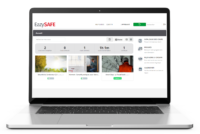
TAILORED TRAINING
Discover our safety training courses and ehs onboardings, which can be customised and offered in several languages.
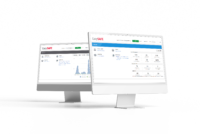
SAFETY MANAGEMENT
Ensure the distribution of your safety policy by training your permanent, temporary or seasonal staff.
GLOBAL MONITORING
Simplify the management of your safety policy thanks to the numerous dashboards and training reports.
Related Posts